
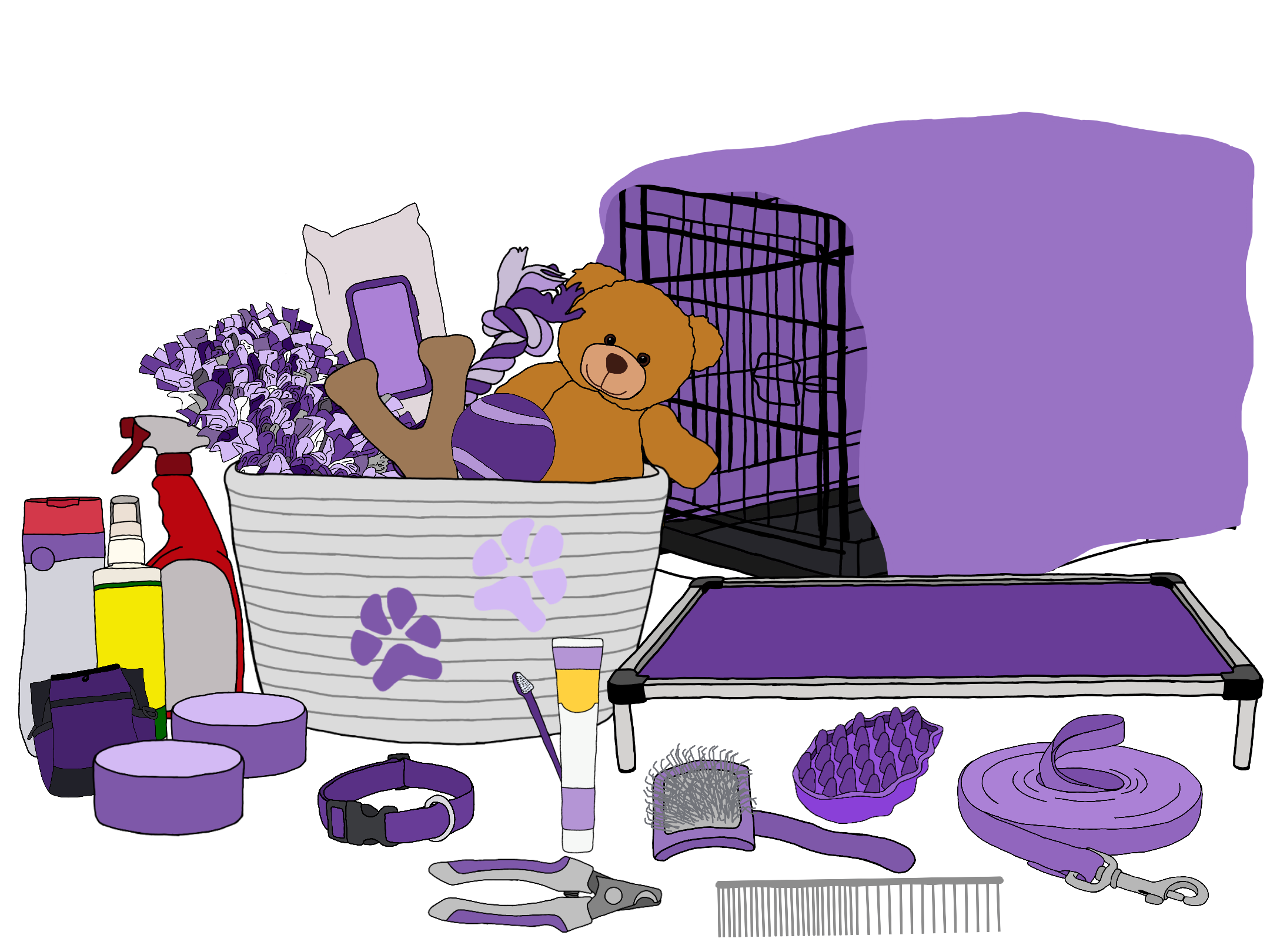
Favorite Products
*Every dog will respond differently to different products. You are responsible for checking each product and using it properly and safely.
Grooming Products
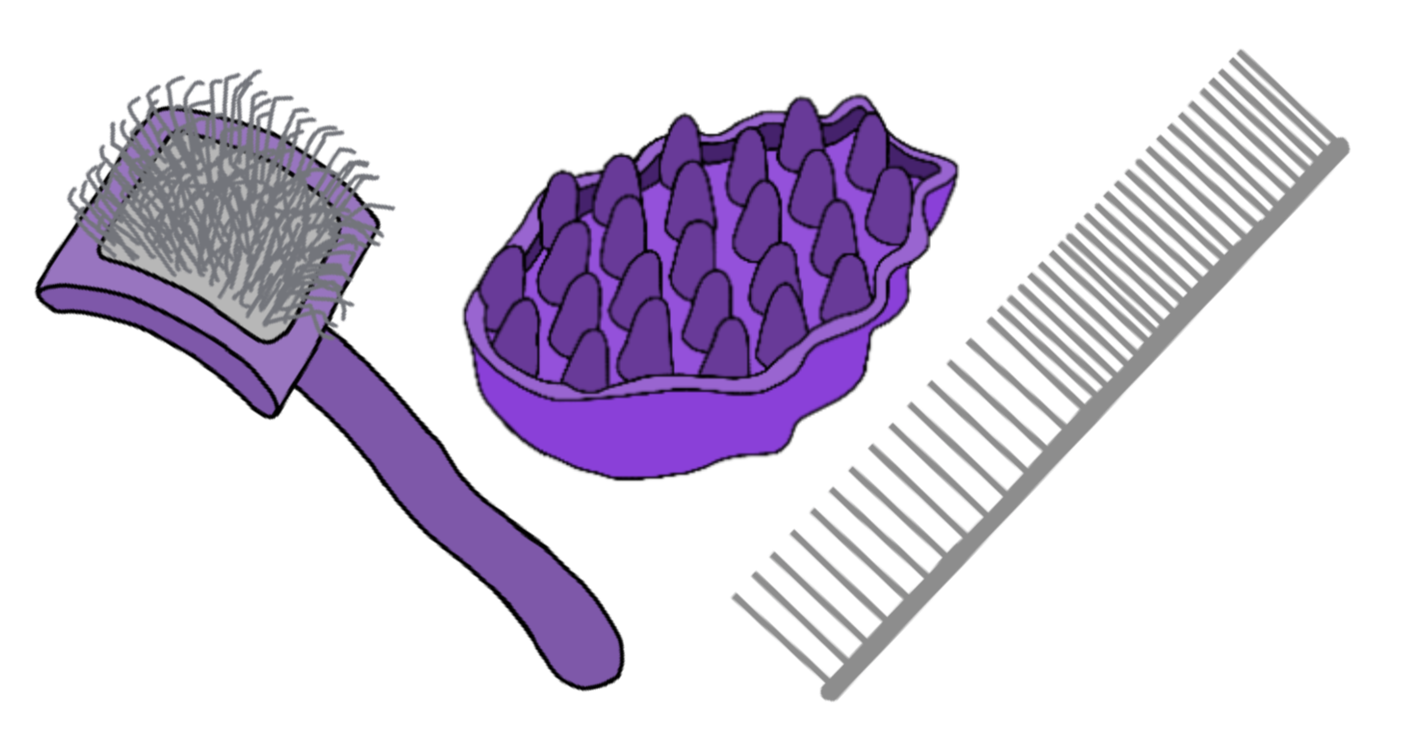
Brushes
What type of brush you get will depend on the type of fur your puppy has. For short coated dogs like labs and bully breeds, I recommend a rubber curry brush, like the Kong Zoom Groom. For double coated dogs like golden retrievers, or fluffy dogs like poodles, I recommend a slicker brush, like the Tuffer than Tangles slicker brush, and a comb.
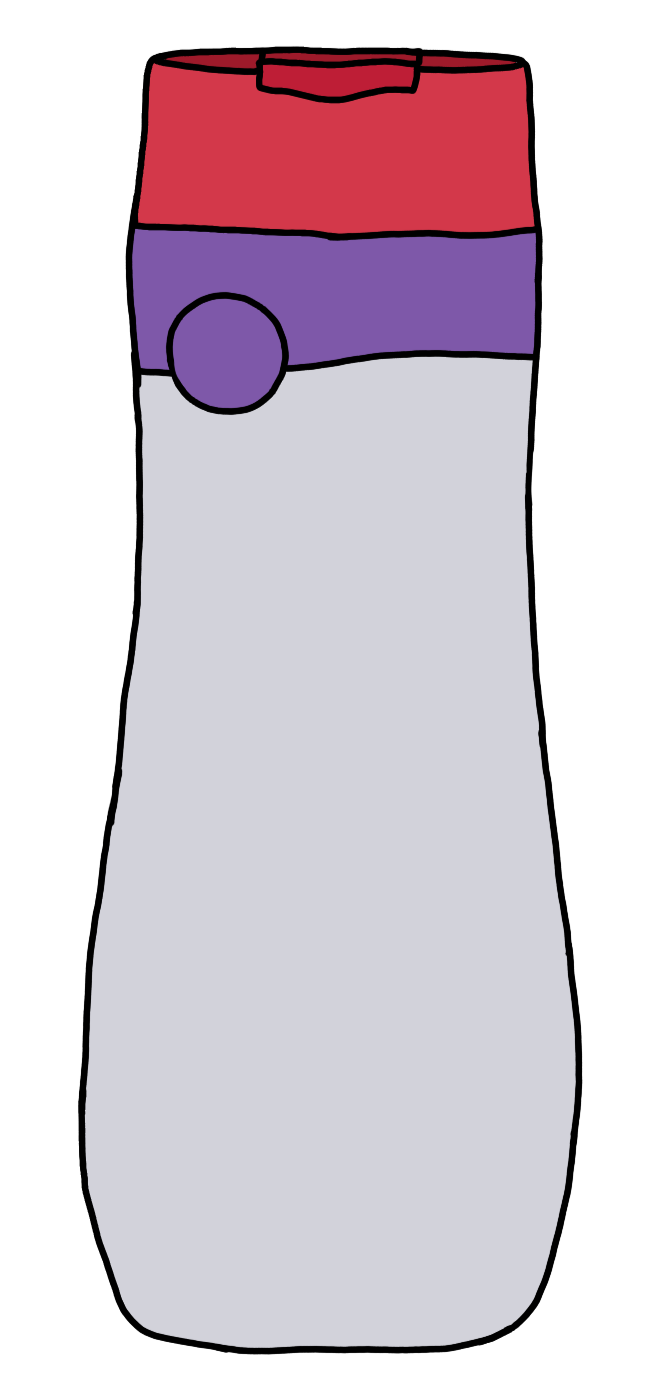
Dog Shampoo
For puppies I like the Natures Miracle puppy shampoo. For adult dogs Skout’s Honor makes a good shampoo. For dogs with itchy skin, like my dog Bailey, I use Duoxo shampoo.
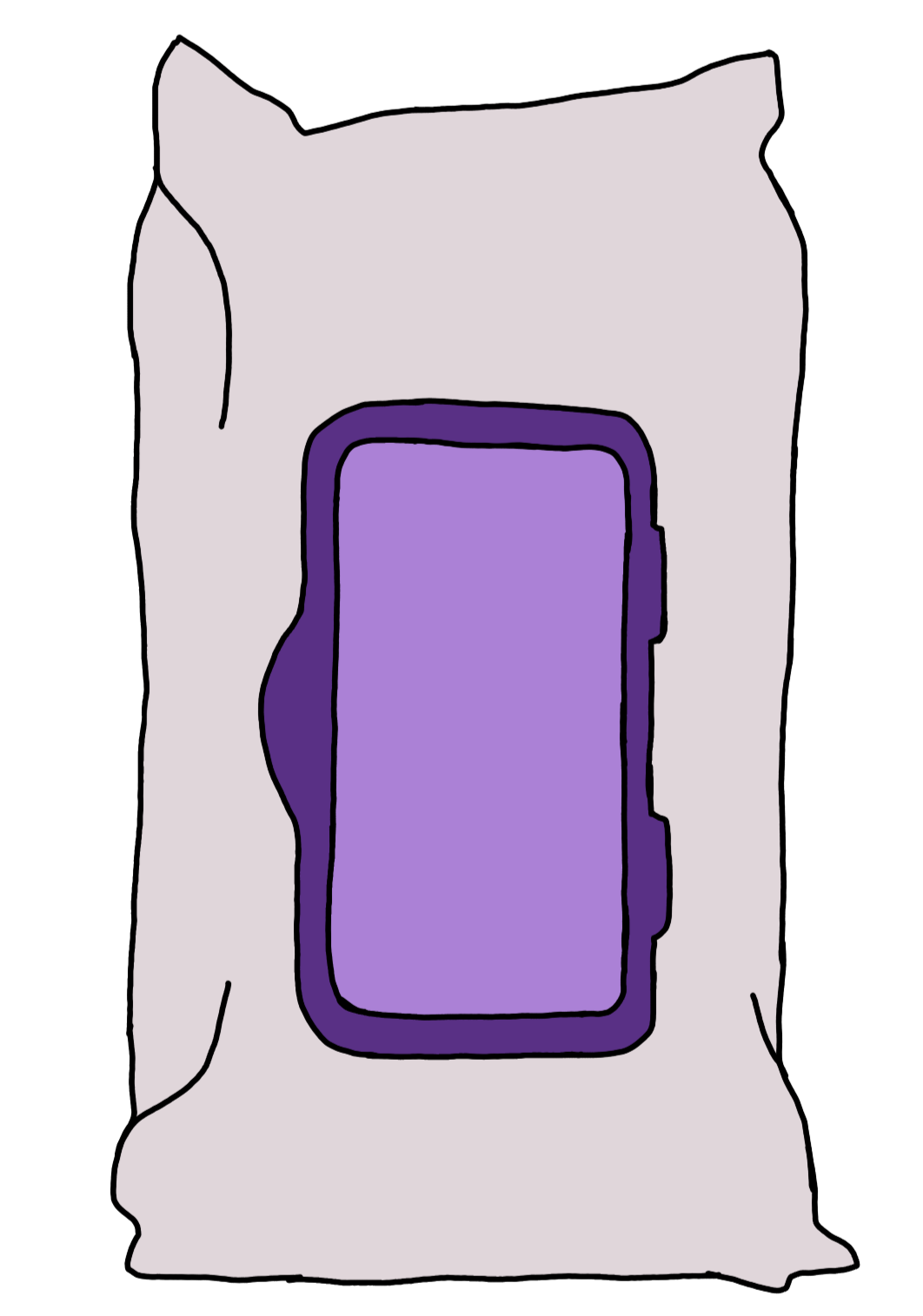
Grooming Wipes
Messes will happen. Use grooming wipes to clean your puppy’s paws when you come inside, or small messes. I like Nature’s Miracle grooming wipes.
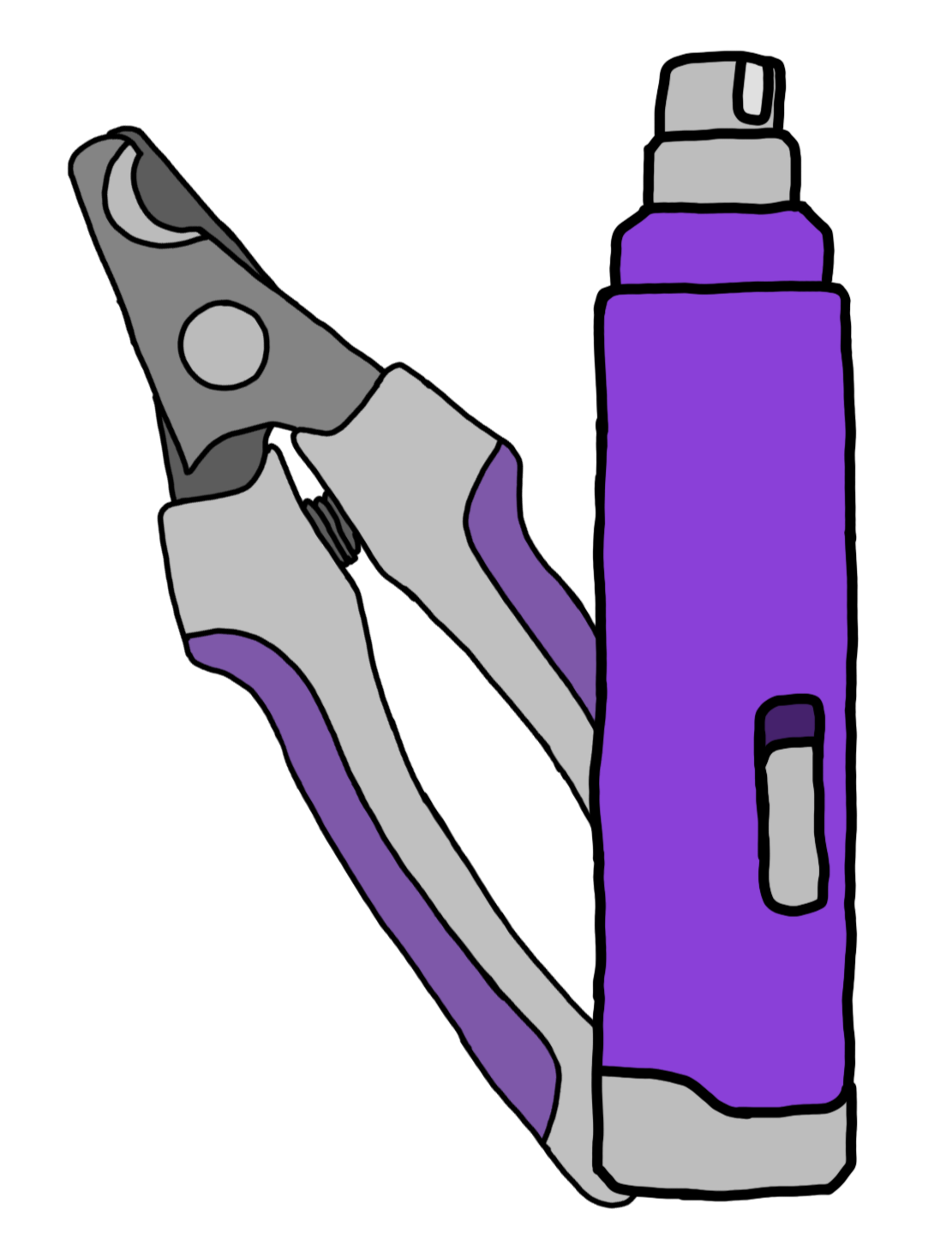
Nail Clippers/Grinder
Use nail clippers (these are the ones I use) and/or a nail grinder (I like the Dremel brand grinder) to keep your dog’s nails short.
To help your puppy get used to this process you can start by just doing one nail a day while feeding treats or letting your puppy lick treats out of a toy. Pro tip - use cat nail clippers for tiny dogs!
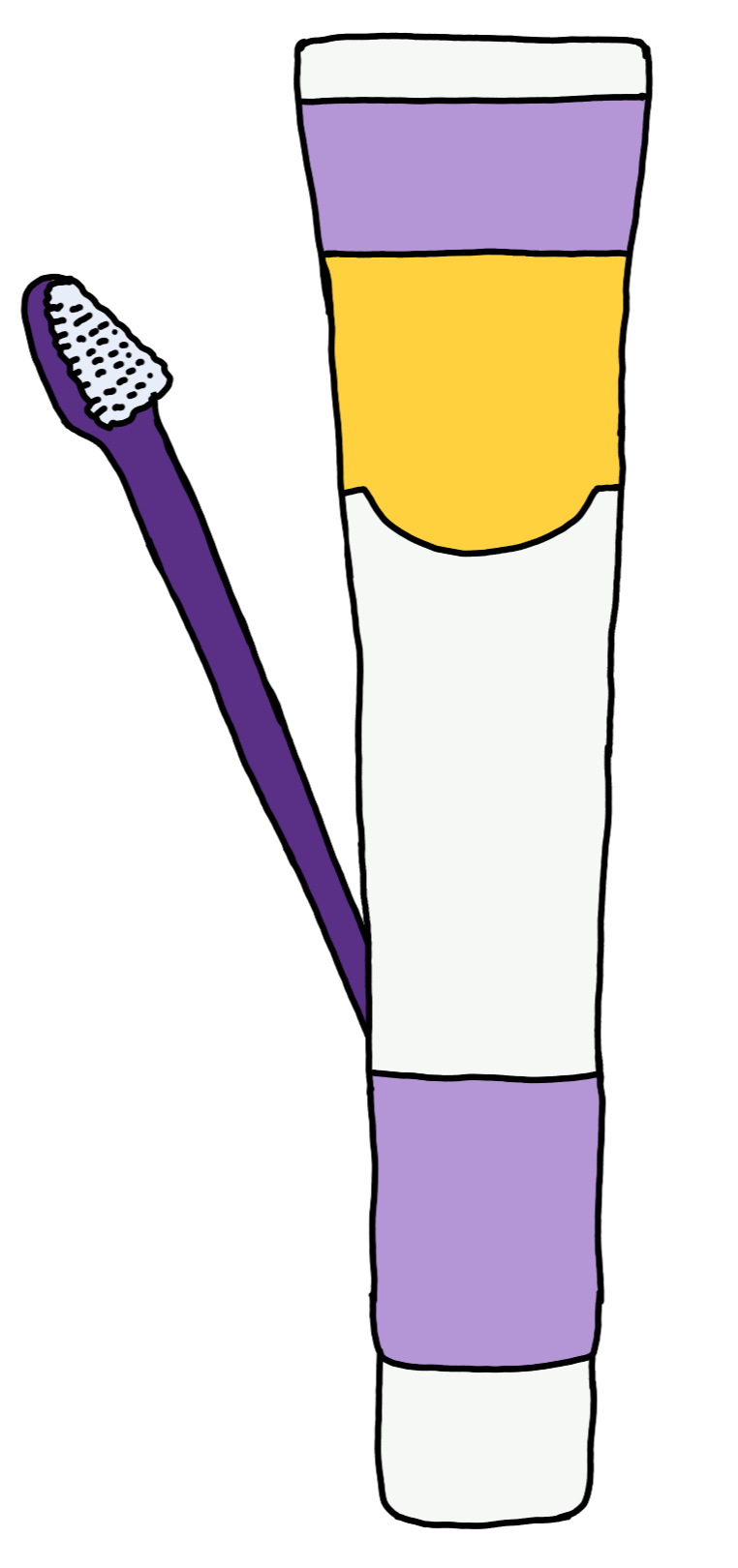
Toothbrush/Toothpaste
You should be brushing your dog’s teeth daily. You can start by putting a little bit of peanut butter on the toothbrush to get your dog used to it before switching to toothpaste. I like Arm and Hammer toothpaste (puppy version) (adult version) for my dogs.
Basic Necessities
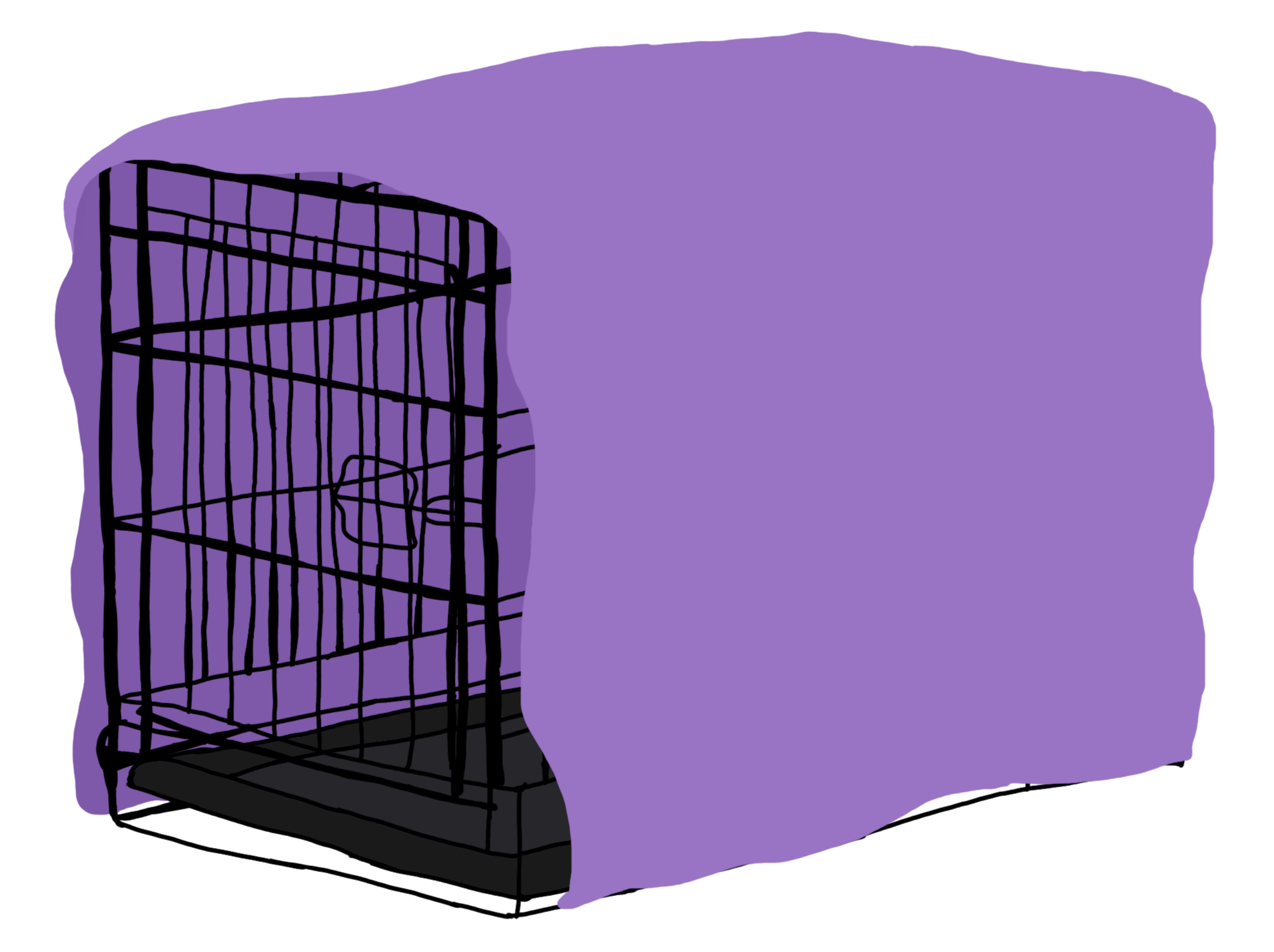
Crate
Having a crate is essential for teaching your puppy boundaries and for potty training and providing structure for your adult dog. Get a crate with a divider so that it can grow with your puppy. I use Ruffland crates in my home for my personal dogs and boarding dogs, and a VarioKennel to keep dogs safe in my car.

Enzymatic Cleaning Spray
Using an enzymatic cleaning spray will break down any accidents at the molecular level, preventing lingering odors and reducing the likelihood of future accidents. Nature’s Miracle makes great enzymatic sprays.

Place Cot
A place cot is helpful for teaching your puppy boundaries when outside of the crate. Give your puppy a treat toy or practice having them stay on place while you walk around so they can learn to relax when outside the crate. I use K9 Ballistics cots, which are great for chewers and diggers. K&H Pet Products makes a great lower cost option.
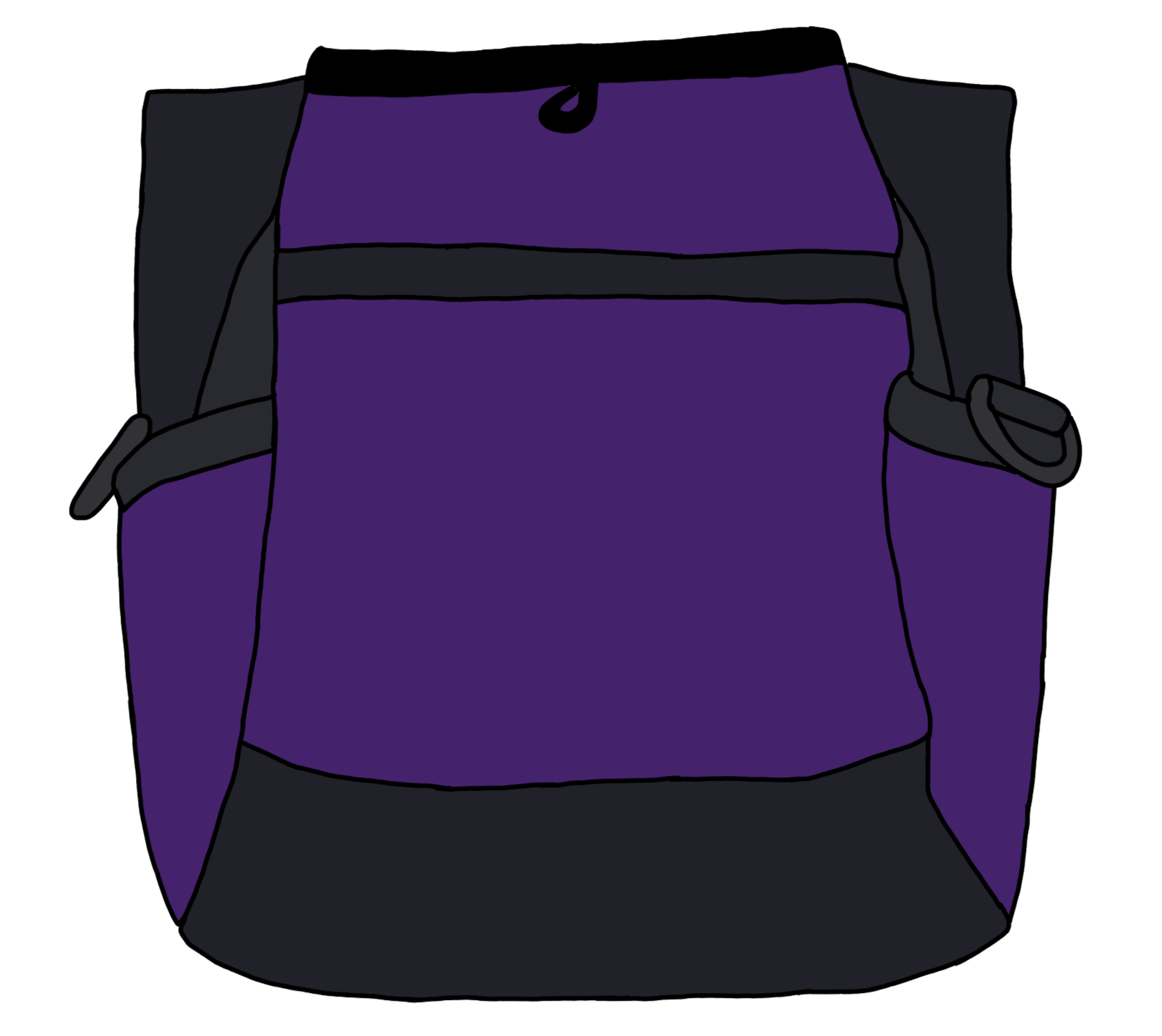
Treat Pouch
A treat pouch will help you keep treats on you at all times, not just during training sessions. Plus, its cleaner to keep treats in a pouch than in your pocket! I like the Doggone Good Rapid Rewards pouch for its big opening.
Toys
I recommend buying one of each of the following types of toy before your puppy comes home. Once you learn what your puppy prefers, you can buy more of those types.

Fetch Toys
Fetch toys, such as the popular tennis ball, tend to be favorites of retrieving breeds. I recommend Chuck It brand instead of standard tennis balls, as the coating on normal tennis balls can wear down your pup’s teeth.

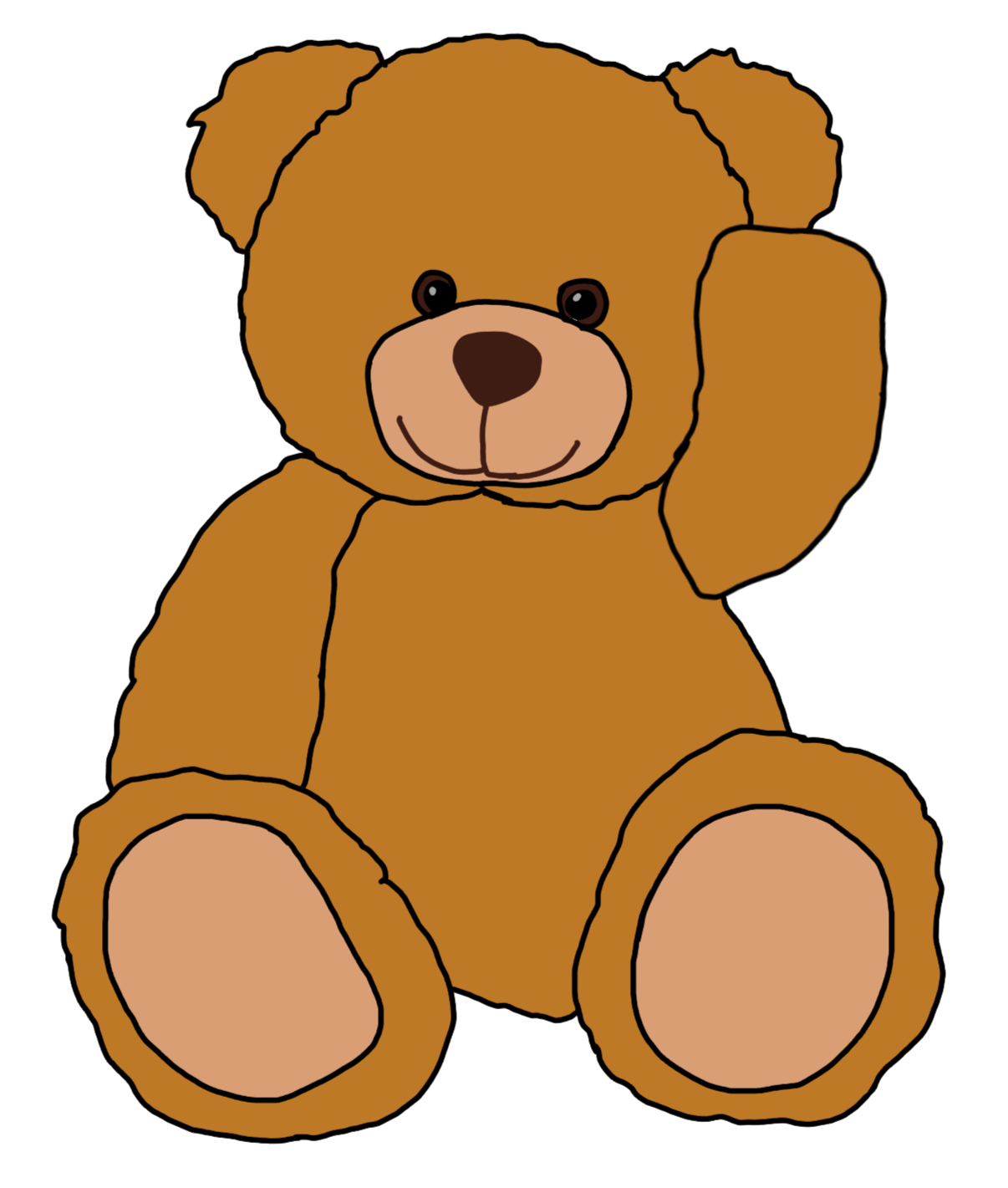
Snuggle Toys
Many dogs enjoy having a soft/stuffed toy to snuggle with. Toys like the Snuggle Puppy come with a fake heartbeat, which some puppies like having in their crates. Unstuffed soft toys are great options to prevent stuffing ingestion for dogs that like to rip toys apart.

Food Dispensing Toys
Food dispensing toys can be a lot of fun for many dogs. Some dogs who don’t have the best appetite from a bowl prefer to eat from a puzzle toy like a snuffle mat. My favorite are the WestPaw Toppl and the Woof Pupsicle. The Toppl, Pupsicle, and Kong can be filled and frozen for longer fun.
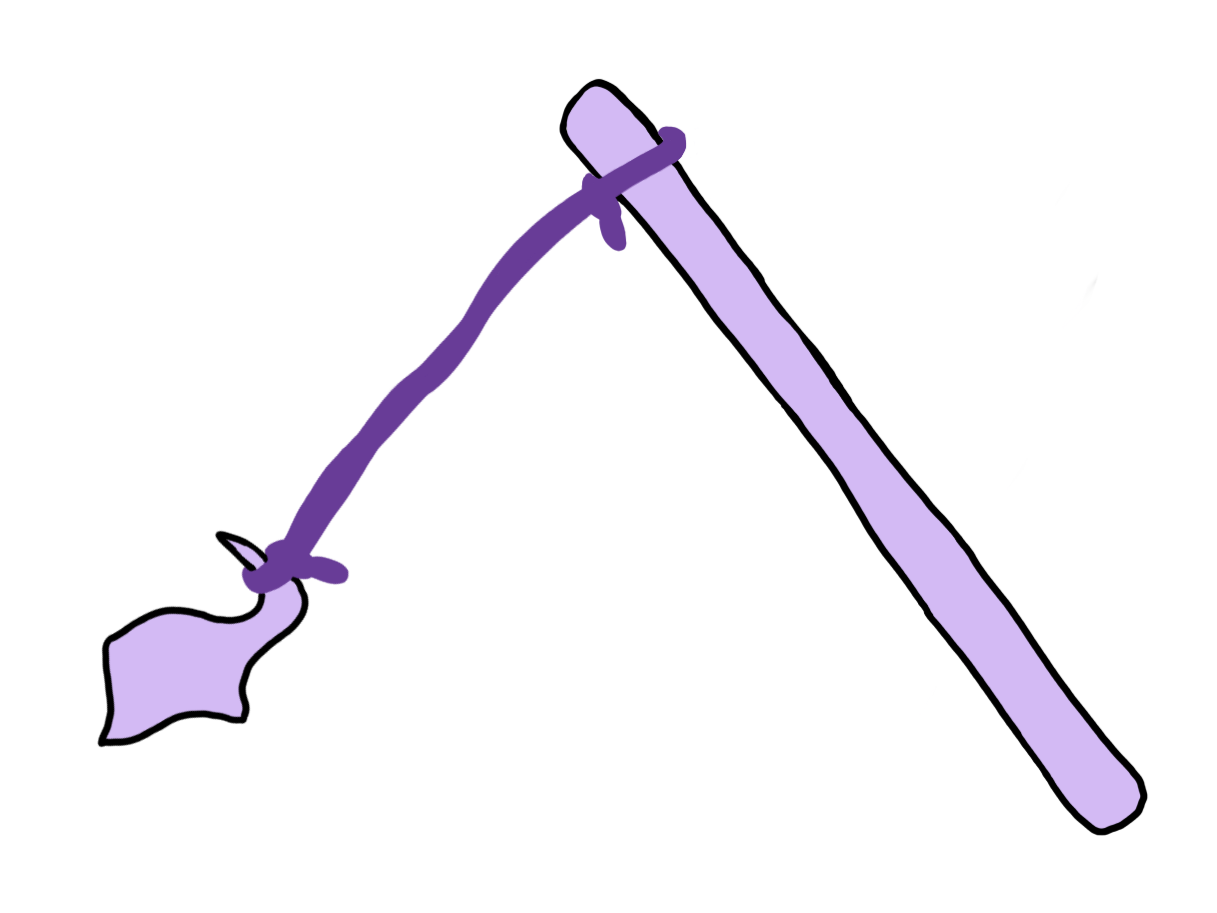
Other Interactive Toys
Interactive toys are toys that you play with alongside your puppy. One of my favorite interactive toys is called a “flirt pole.” My dogs and I love the Outward Hound Tail Teaser.

Rope Toys
Rope toys are great for playing tug. Don’t let your puppy chew them unsupervised, as the strings can cause major issues if ingested.
Collars/Harnesses/Leashes

Martingale Collar
Martingale collars are my favorite for walking dogs and puppies. These collars have an extra loop that allows them to get bigger and smaller. By tightening when your puppy pulls this collar prevents escape and reduces pressure on the trachea. I like the Country Brook Petz nylon martingale with a buckle.
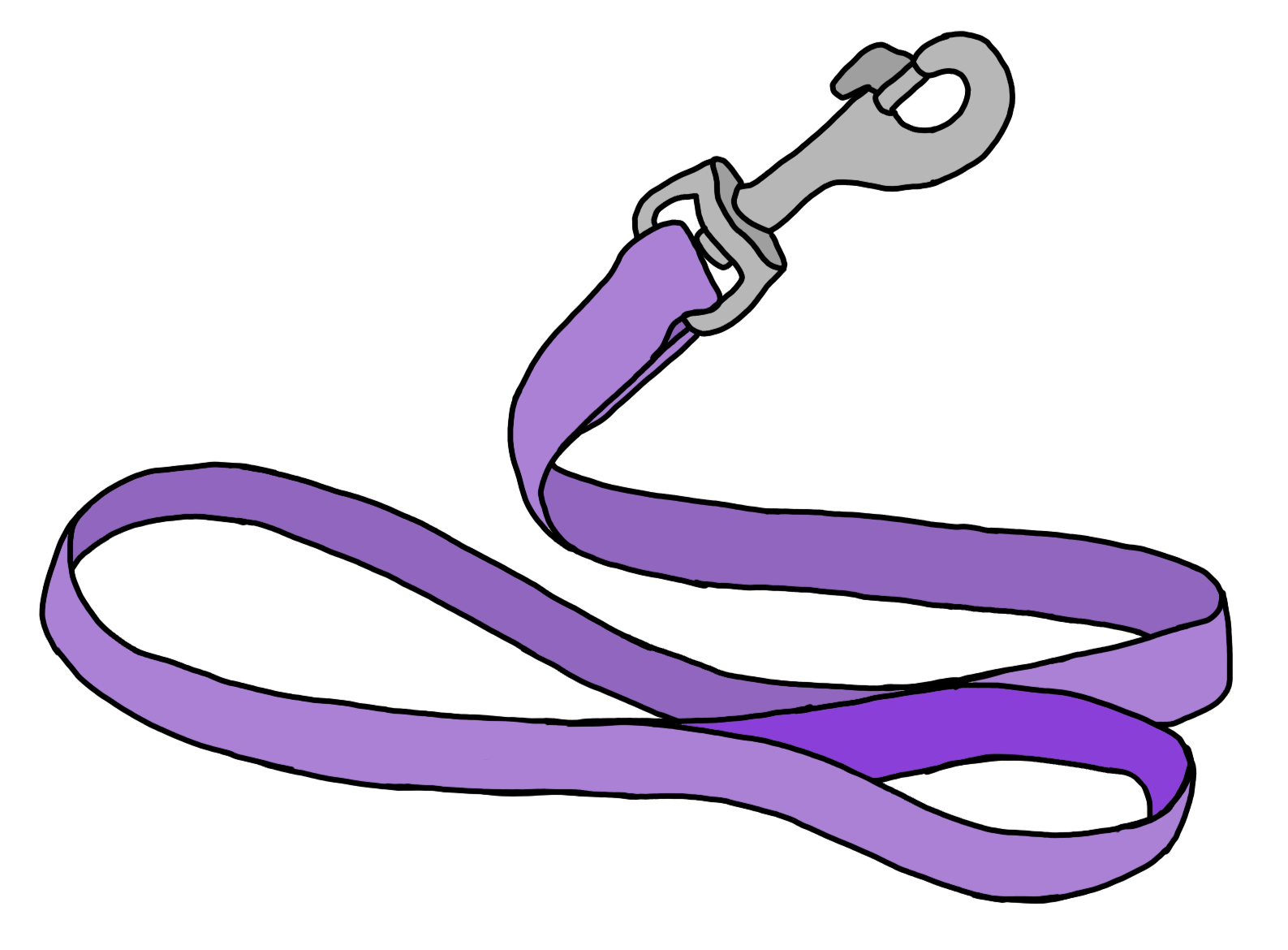
4-6 Foot Leash
A four to six foot leash is perfect for leash walking and tethering in the home. I recommend getting a second indoor leash and cutting the handle off so your puppy can drag it around the home. My favorite leash materials are biothane and nylon. I get my biothane leashes from Cody’s Creations, a local creator who hand makes her leashes.
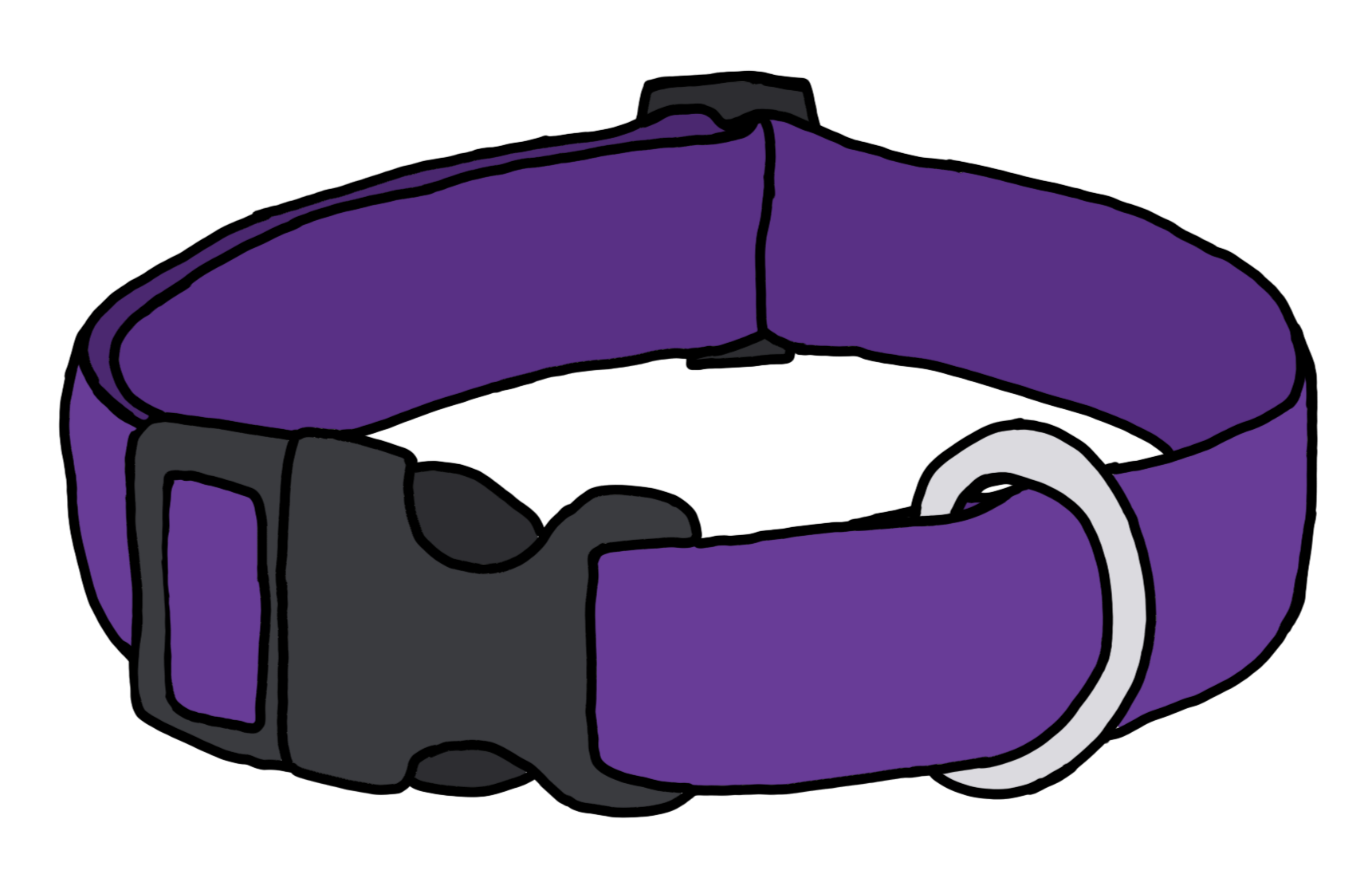
Flat Collar
A flat collar is a great collar option for holding identification, license and rabies tags. Take off your pup’s collar in the crate to prevent it getting caught.
Long Line
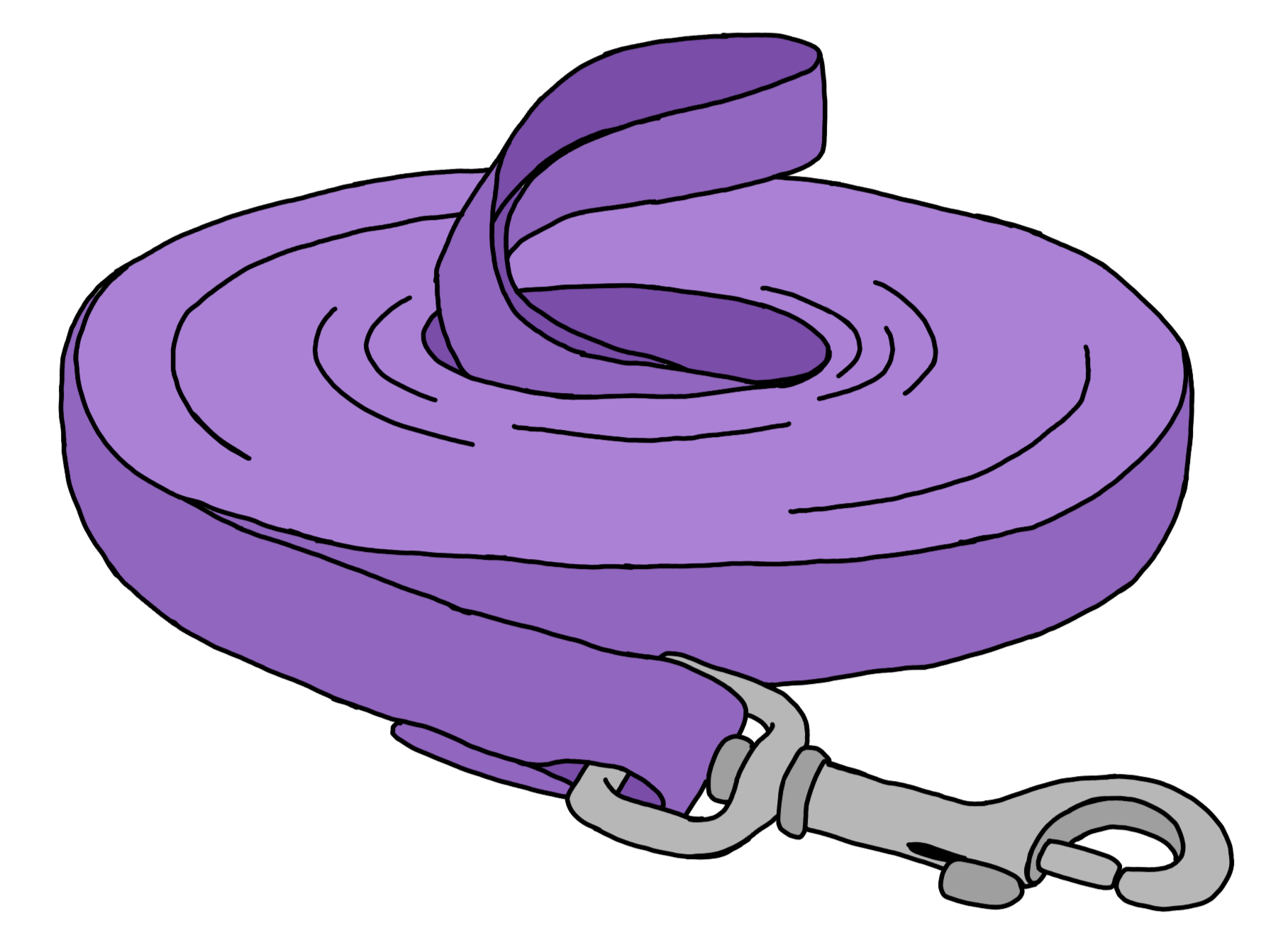
Long lines have many uses. They are especially helpful for teaching recall and for giving your puppy freedom without having to take them off leash. My favorite length long line is 15 feet to start. I recommend connecting the long line to a harness when going on hikes.
Five Point Harness
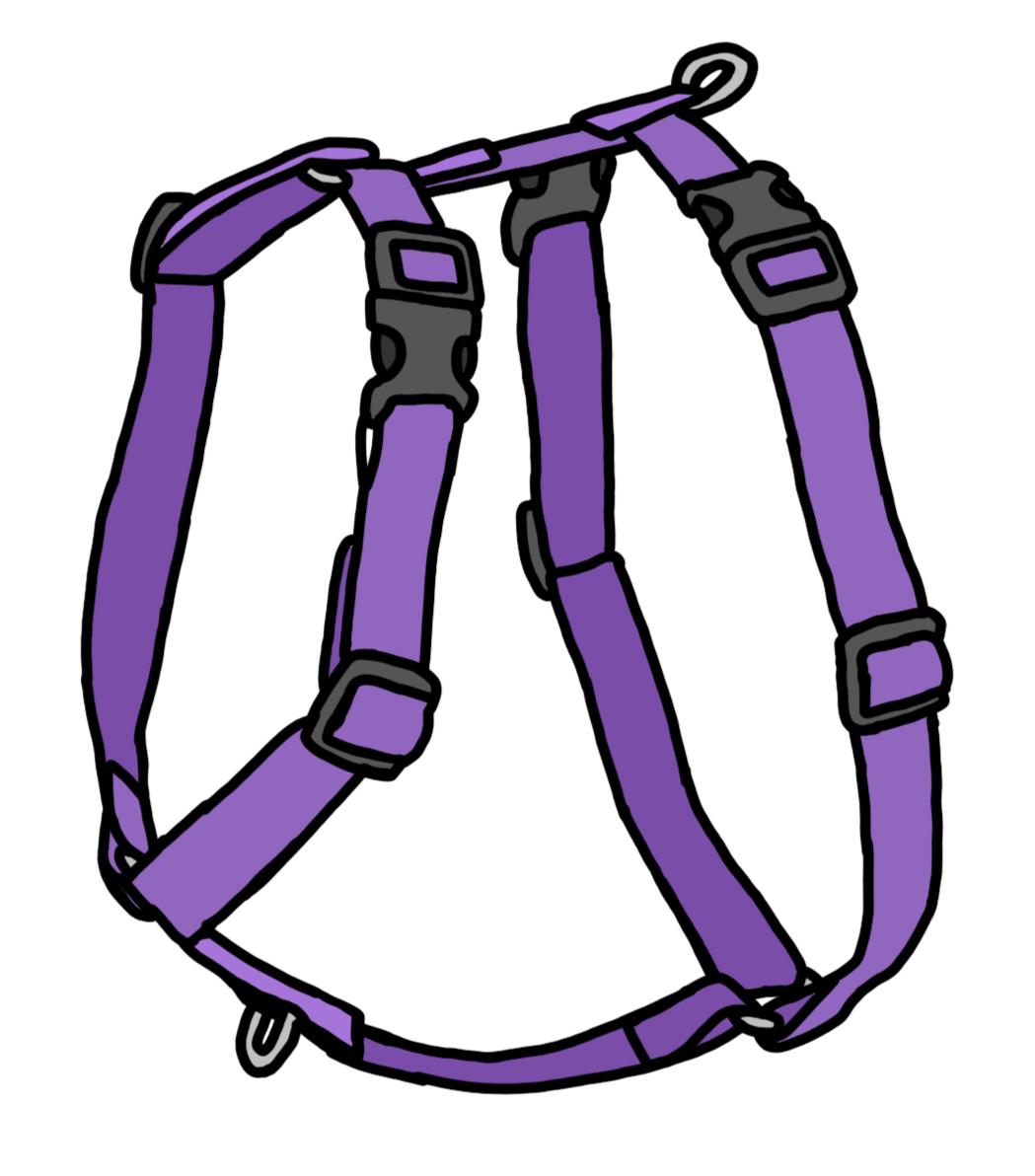
A harness is a great option for hikes and connecting to a long line during training. A five point harness like the PetSafe 3-in-1 has extra adjustability to fit many types of dogs.

Slip Leash
Slip leashes are really helpful when potty training puppies, as they’re easy to quickly slip on into order to get outside as fast as possible when your pup needs to go. Slip leashes dot com makes slip leads with a strong stopper which prevents them from getting too big and slipping off.
E-Collar
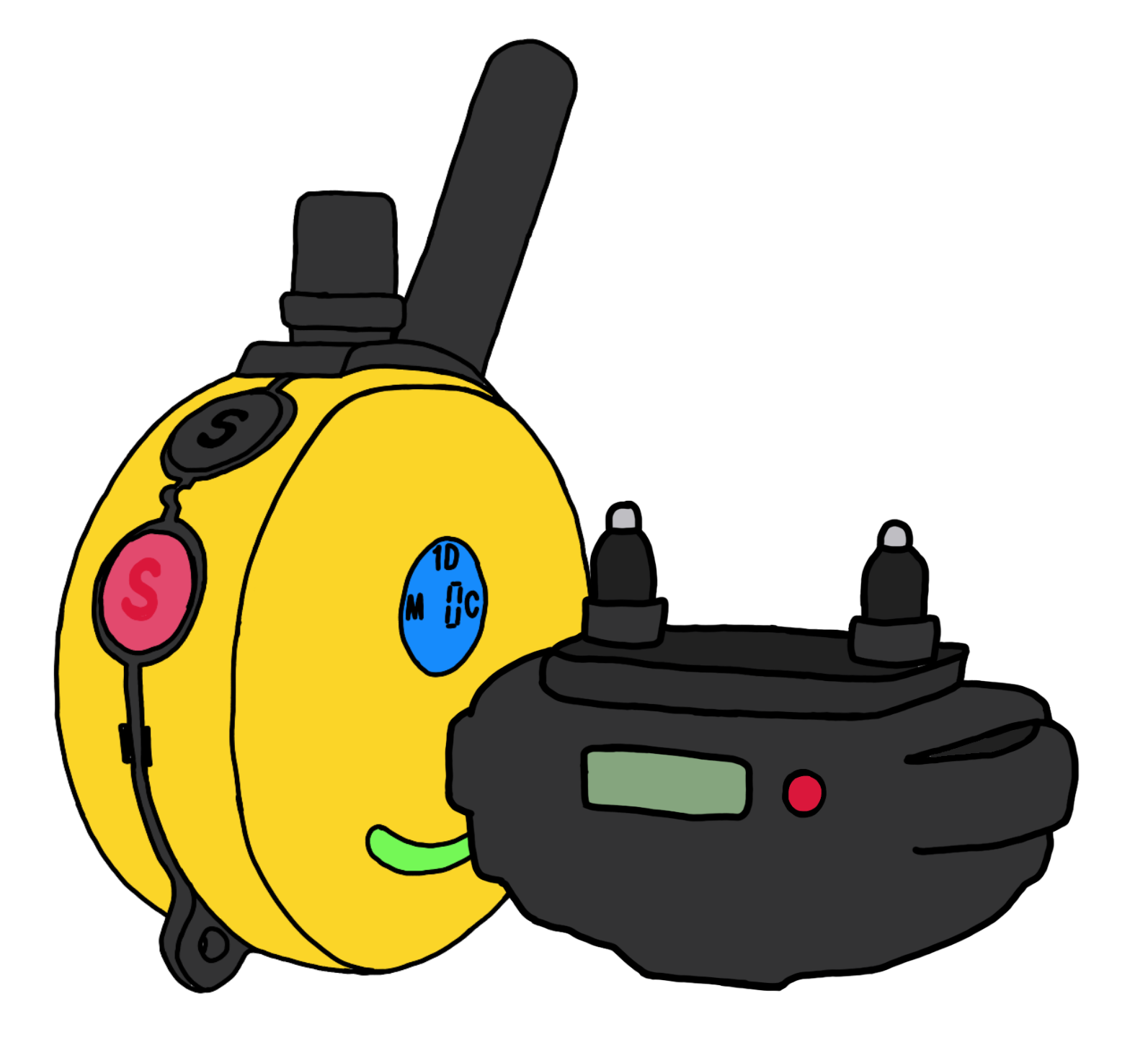
I use e-collars for advanced off leash recall training. E-Collar Technologies, Dogtra, and Garmin are three well known brands. If you’d like to pick your collar’s colors you can get an E-Collar Technologies collar through me. Here is a link if you’d like to order it yourself.
Prong Collar
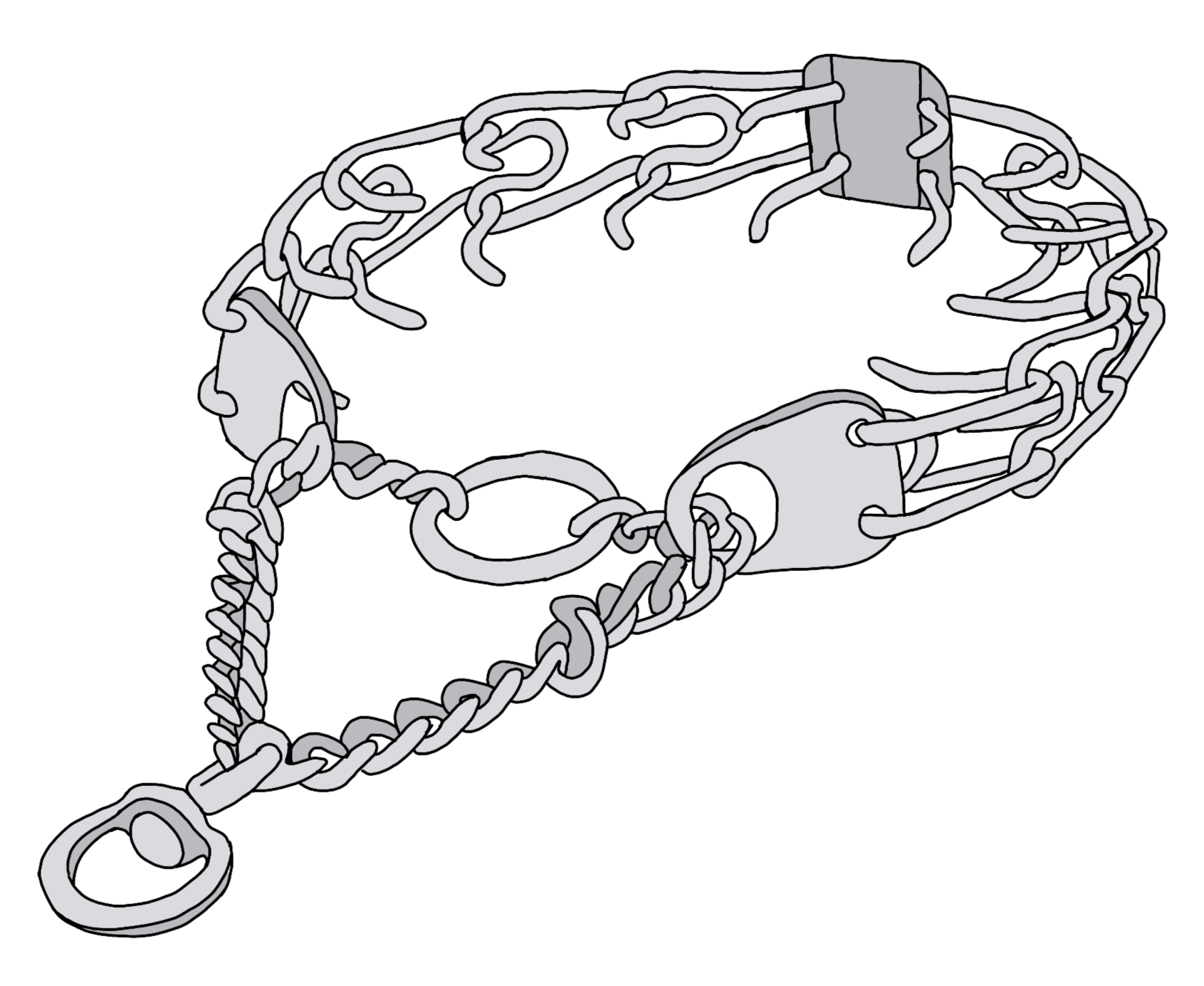
I use prong collars for teaching leash walking to dogs that pull more than the owner can handle. I only introduce this tool in cases where other methods have not worked and we are at a last resort. I only recommend the Herm Sprenger brand prong collar.